On Collecting | Ryan Zurrer, owner of 1OF1
The venture capitalist has built up a unique collection founded on deep connections to living artists
Ryan Zurrer
The venture capitalist has built up a unique collection founded on deep connections to living artists
Ryan Zurrer is the founder of Dialectic, an agentic risk-controlled crypto yielding machine based in Switzerland. He was a very early investor in some of the best-performing venture investments of the last decade, particularly in the crypto ecosystem and led Polychain Capital’s private investments. He is the owner of an important digital art collection, 1OF1, including Beeple’s HUMAN ONE and works by Refik Anadol, and sits on the boards of trustees of MoMA and The Hip Hop Museum. His philanthropy focuses on helping a new generation of artists take their rightful place in art canon alongside his mission-driven work in mental health through his firm Vine Ventures. Previously, Ryan was CEO of a large Brazilian renewable energy firm.
No comments yet. Be the first to share your thoughts.
Ryan Zurrer is the owner of an important digital art collection, 1OF1, whose mission is to collaborate with “forward-thinking artists and institutions by collecting, contextualizing and supporting art of the digital age”.
The collection includes Beeple’s HUMAN ONE (2021), a portfolio of works by Refik Anadol, and pieces by the artists Sasha Stiles, Samia Halaby, Agnieszka Kurant, Larva Labs, Snowfro, Urs Fischer, Holly Herndon & Mat Dryhurst, Sam Spratt, Justin Aversano, Ian Cheng, Ash Thorp, 0xDEAFBEEF, IX Shells, Robert Alice, Sarah Meyohas, Mad Dog Jones, Maciej Kuciara, Sarah Friend, François Vogel, Auriea Harvey, Jake Fried, toomuchlag, Dangiuz, and Jesperish.
Zurrer, a venture capitalist, and founder of Dialectic, an agentic risk-controlled crypto yielding machine based in Switzerland, sits on the board of trustees of the Museum of Modern Art (MoMA), New York, and on the board of The Hip Hop Museum, The Bronx, New York.
RCS: How did you get into collecting and what was your first acquisition?
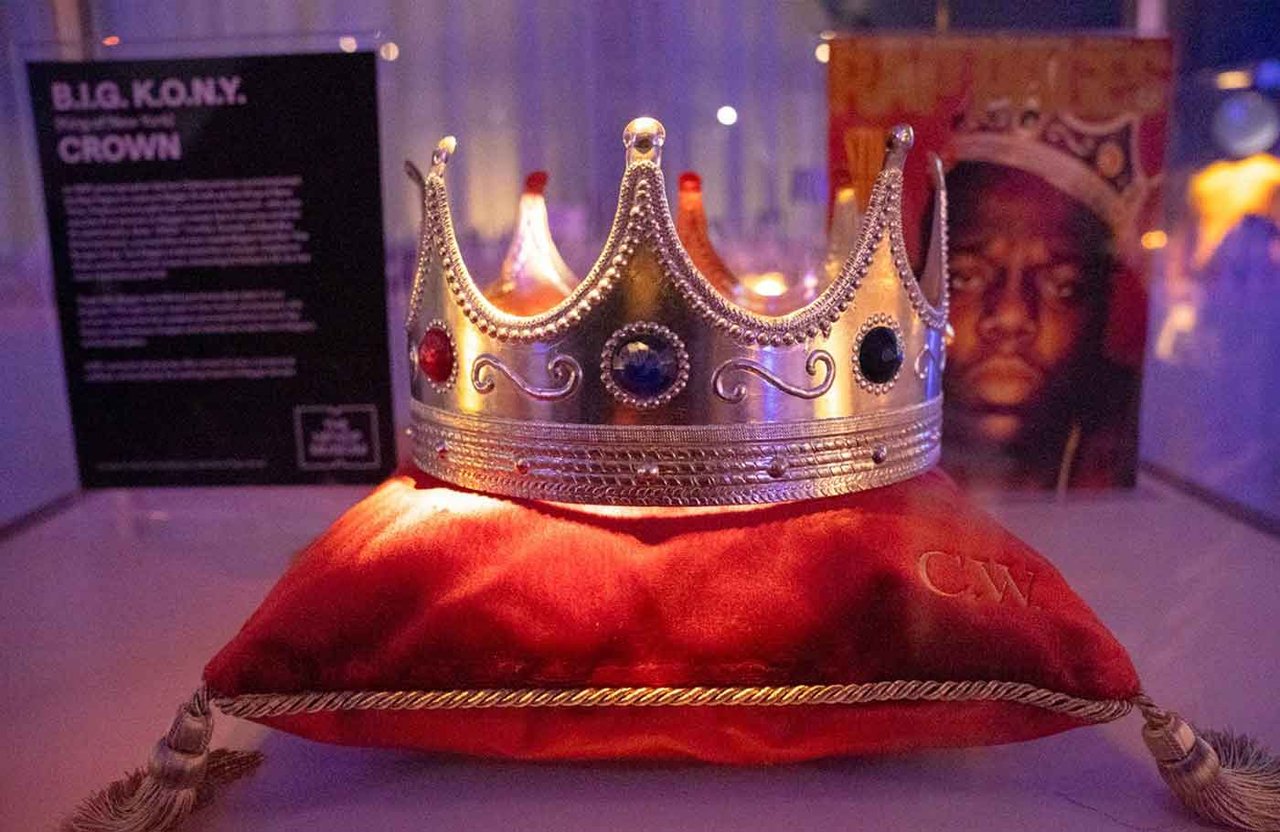
Ryan Zurrer: My first significant acquisition in collecting was the Notorious BIG KONY Crown, which now sits at The Hip Hop Museum in The Bronx, scheduled to open later this year, where I have joined the board. It opened my eyes that there would be new emerging categories of collecting. As millennials come of age, the artifacts that defined this generation will become very important culturally. I also started picking up rare Pokemon first editions around that time. I had some art from countries that I lived in — Vik Muniz (Brazil), Huang Yuxing (China), etc.
However, I came to contemporary art collecting via crypto and not the other way around. I was concerned in 2019 that crypto wasn’t bringing new cohorts of people in.
NFTs solving the scarcity and provenance problem for digital artists was a really profound use case that enabled digital artists to find creative and financial freedom. I thought that was really inspiring and became very passionate about helping digital artists take their rightful place in the art canon.
RCS: How would you describe your approach to collecting?
RZ: As I am a venture capitalist by trade, I see many similarities between collecting museum-quality art from the world’s leading artists and deploying venture capital into the world’s leading entrepreneurs. I try to build a relationship with the artist and figure out something I can do to be helpful. Often that is working with major global cultural institutions to exhibit their work or helping them thoughtfully sprinkle cryptoeconomics and game-theoretical dynamics into their work. I’ll dive deep into their practice to understand their technical craft and their vision for how their practice will evolve.
Then I will take a “portfolio position” by either acquiring a set of significant works, like with Refik [Anadol], where 1OF1 owns 27 works; or I will collect the “magnum opus” that is a career-defining masterpiece such as Beeple’s HUMAN ONE or Sam Spratt’s Monument Game (2024).
Primarily, I try to collect directly from artists after spending time getting to know them at their studios. Building relationships is the most rewarding part of collecting for me and I really don’t understand collectors that collect dead artists.
It really is the friends and mentors that you make along the way that are the gift you get for embarking on the collecting journey.
I often use a heuristic that I call “proof of artwork” which takes some reference from proof-of-work blockchains and how value is estimated in crypto networks. I ask myself what is the sum of the time, computational resources, training, and artistic craft that has gone into a work.
In the same way that a blockchain should not be worth less than all of the compute or resources put into securing the chain to that point; an artwork should not be worth less than the time, energy, compute, and other resources that brought it to that point. That sets a baseline for how to reason through value.
RCS: Which works are you most proud of acquiring and which are you most disappointed to have missed out on?
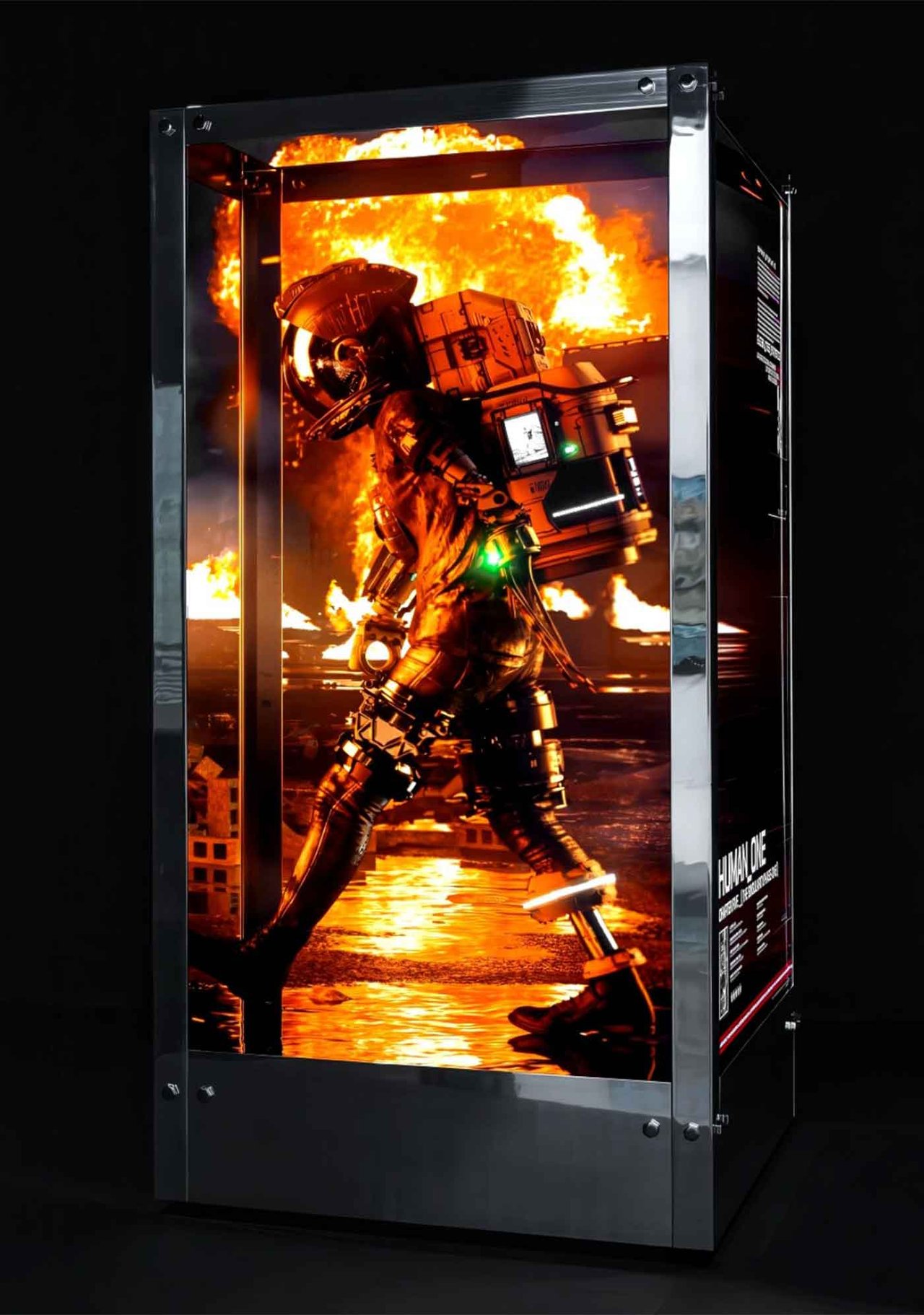
RZ: HUMAN ONE is a really unique story that continues to unfold as it travels around the world to different museums. I was good friends with Beeple before that acquisition and that (very significant) investment was a bet that he would continue to evolve and our working relationship would continue to grow over his career. So far, so good.
It’s been amazing how HUMAN ONE has brought to the fore things that we could not have predicted. For example, each chapter update is now its own unique performance that draws crowds and has garnered critical acclaim. The next chapter update at the NODE on April 18, 2026 will be absolutely wild as Beeple continues to innovate at the frontier of generative AI applied to his practice.
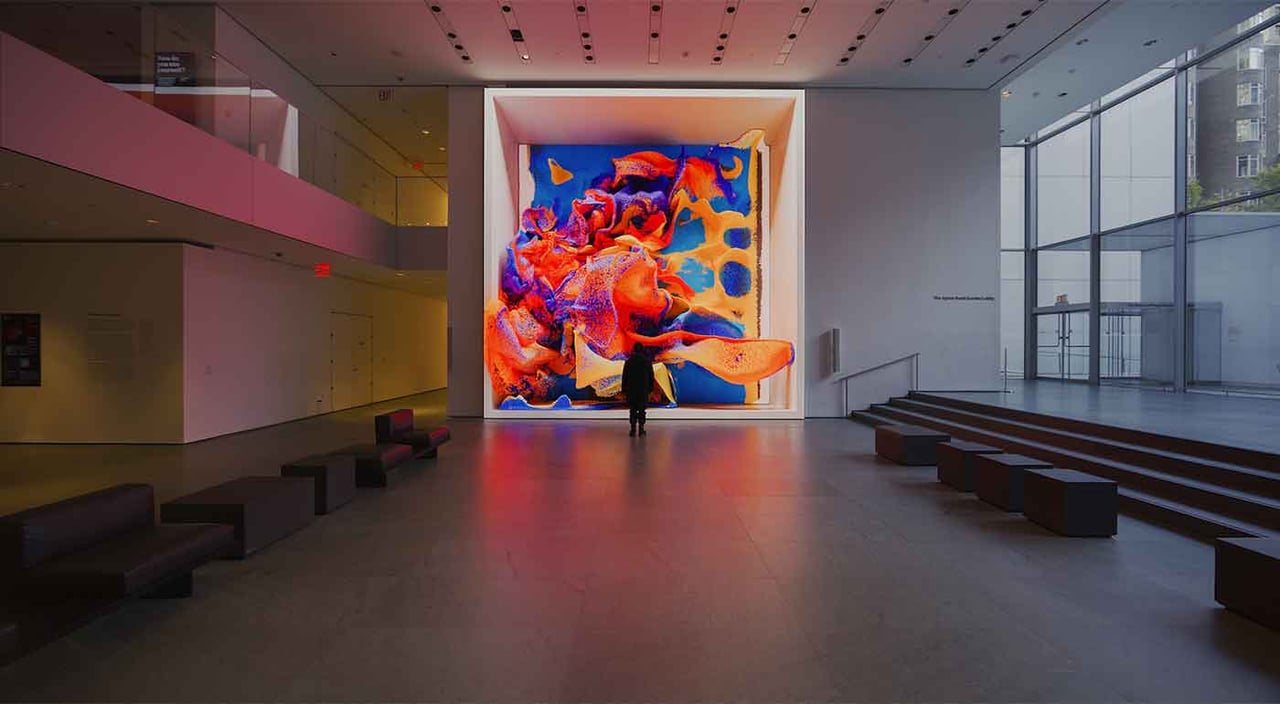
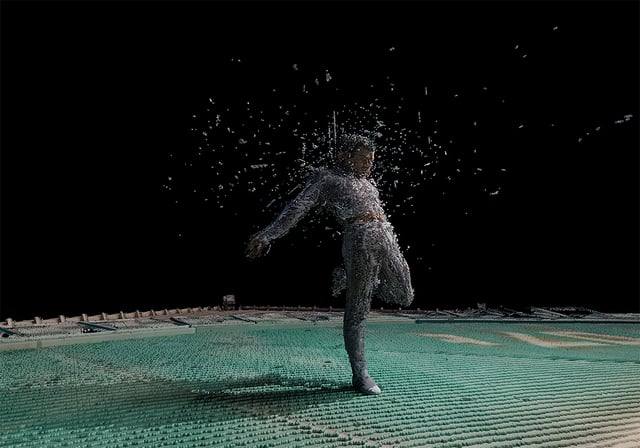
I also must highlight Refik Anadol’s Unsupervised — Machine Hallucinations — MoMA (2022) as a very special work. No one was ready for the reception that work garnered at MoMA, bringing in record-breaking crowds consistently for almost a year and bringing machine-generated art to the fore just as AI was capturing the cultural zeitgeist. It also catalyzed a relationship with MoMA for both Refik and me, which has deepened considerably and I am incredibly grateful to have been chosen to make a contribution to what is in my opinion the highest caliber of institution globally, first as a member of the acquisition committees and now as a Trustee.
MoMA is truly the Seal Team-6 of art and the group of trustees and curators that dedicate so much of themselves to MoMA are incredibly inspiring.
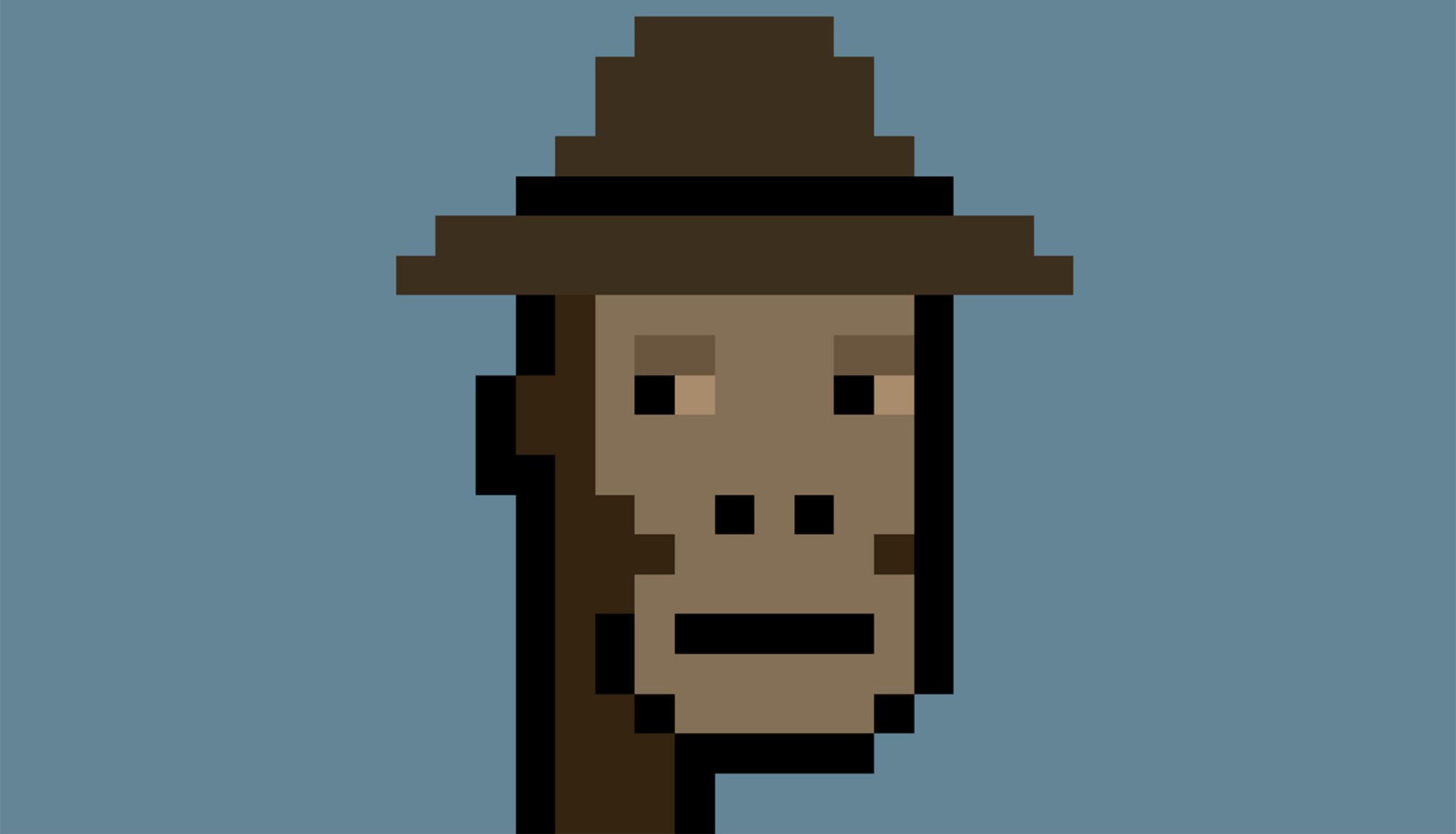
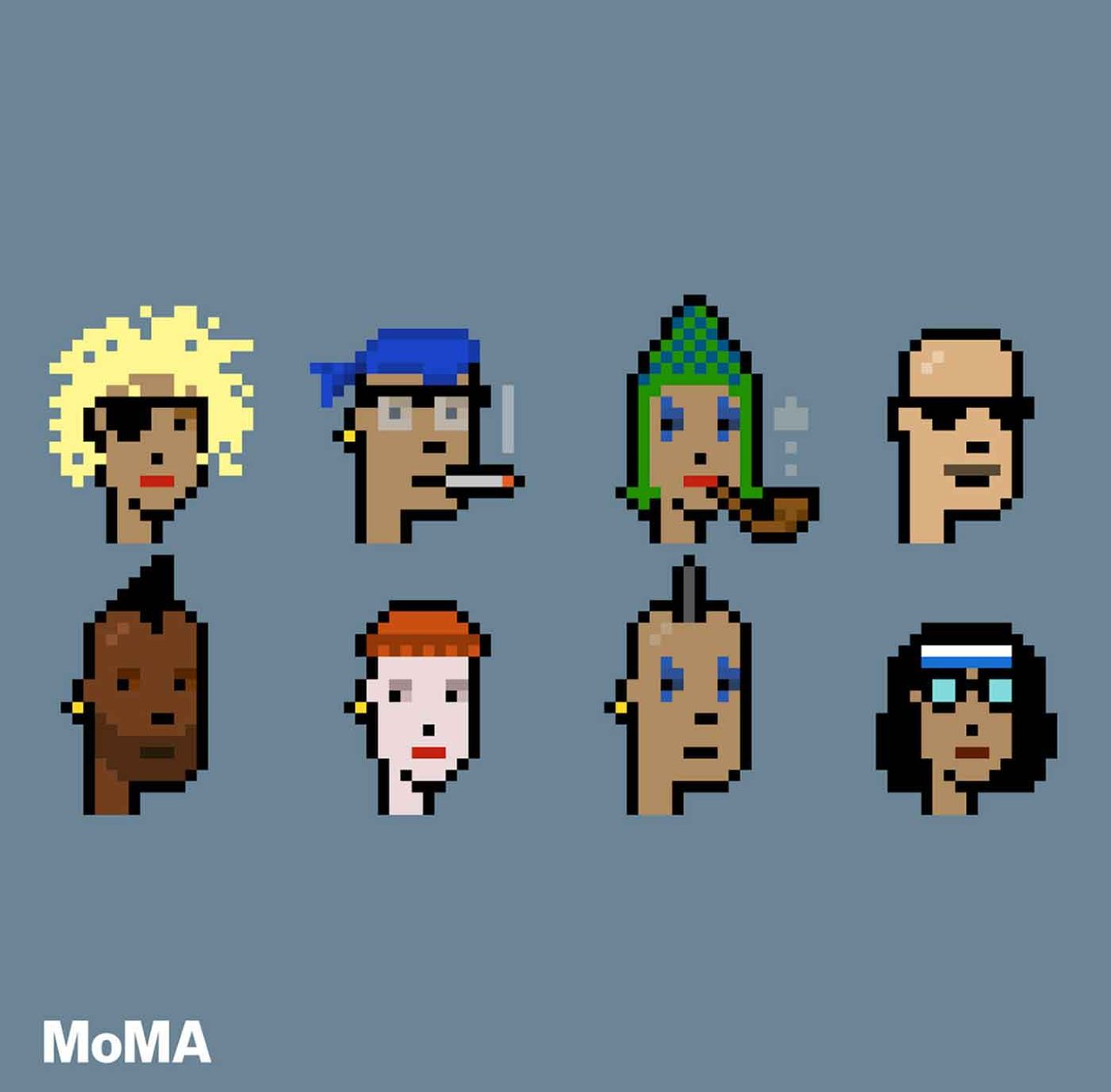
On the flip side, I was relatively late to acquiring CryptoPunks even though I was aware of their cultural impact on crypto. I often compare CryptoPunks to Warhol silk screens, crafted to be portraiture of an emerging class of cultural collectors. I’m happy with the work that my collection 1OF1 has put into the CryptoPunks in recent years, acquiring both for our collection and for museum donations.
RCS: You have supported some important institutional acquisitions in recent years. What background can you share to this, and are there any such recent acquisitions that you would especially like to mention?
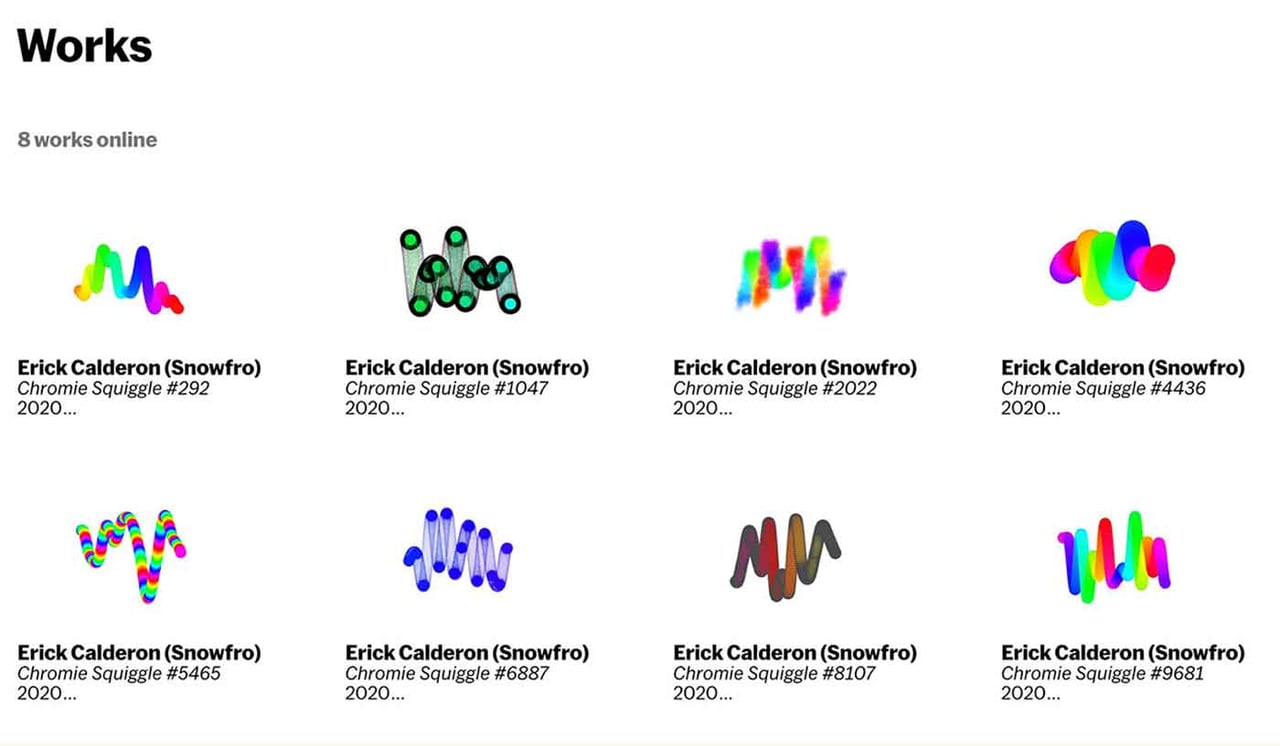
RZ: The CryptoPunks and Chromie Squiggles acquisition by MoMA was an important moment for digital art as well as crypto culture and is emblematic of how wonderfully supportive this community is. I am incredibly grateful to the wonderful collectors that came together to support this acquisition and I can’t wait for the community to be able to celebrate the exhibition of CryptoPunks and Chromie Squiggles at MoMA in the not-too-distant future.
It certainly feels like a homecoming and stands as perhaps the most important institutional validation of this movement.
RCS: Which artists do you see as the most undervalued both within and beyond the digital art ecosystem?
RZ: Many digital and contemporary artists are undervalued in today’s market dynamic in my humble opinion. In emerging and mid-career artists, I am really excited about Sasha Stiles ,who just finished up an amazing exhibition at MoMA. Also, Holly Herndon and Mat Dryhurst are doing some really amazing work with AI using different mediums, including audio.
RCS: If you could own a work of art, in any format and from any collection in the world, which would it be, and why?
RZ: My friend Amy Cappellazzo has this wonderful quote I often cite: “Only a handful of art and artists survive each generation to truly matter. Your goal as a collector is really to own those truly iconic works.”
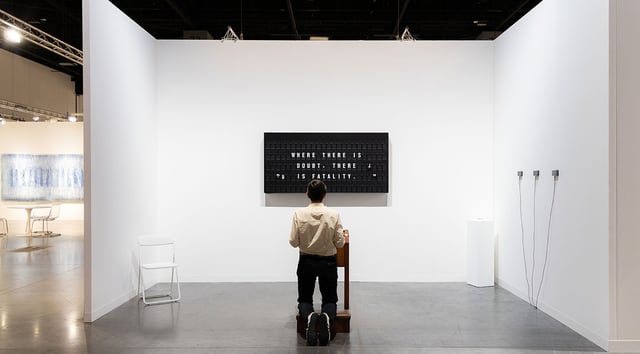
I missed out on buying Comedian at Art Basel by literally a few minutes in 2019 and then was underbidder (lost to Justin Sun) in 2024. That is a generationally important work because of its iconic nature in representing the ZIRP run-and-gun days of the late 2010s and is unquestionably one of the most important works of that decade.
I feel very fortunate to have acquired two of the most important works of the 2020s — HUMAN ONE and Unsupervised — Machine Hallucinations — MoMA. I would have loved to have collected The Clock (2020) by Christian Marclay, which is an exceptional work that the great Jill Kraus collected and generously gifted to MoMA. The Clock is representative of what I look for in Proof of Artwork.
Mentioned in this article
People: Ryan Zurrer, Beeple, Erick Calderon (Snowfro), Larva Labs, Refik Anadol, Sam Spratt, Sasha Stiles|Works: HUMAN ONE|Organizations: 1OF1, Museum of Modern Art|