Dancing with Algorithms
The remaking of a Modernist masterpiece using AI epitomises the choreographer Alexander Whitley’s hybrid practice
Ben Luke
The remaking of a Modernist masterpiece using AI epitomises the choreographer Alexander Whitley’s hybrid practice
Ben Luke is a writer and broadcaster based in London. He is a contributing editor of The Art Newspaper and presents its podcasts A brush with…, of which there have been more than 100 episodes since 2020, and the topical art news program, The Week in Art, which has run for more than 300 episodes. From 2009 to 2024, he was an art critic at the London Evening Standard. He is a regular guest on BBC Radio 4’s Front Row. Ben has contributed to books on artists as diverse as Phyllida Barlow, Glenn Brown, Michael Craig-Martin, Mark Dion, Matthew Krishanu, George Shaw, and Jiro Takamatsu. He was selected in the Critics’ Critics section of Artforum’s Best of 2024 issue. His book featuring 25 of the conversations from the A brush with… series, What is art for? Contemporary artists on their influences, inspirations and disciplines, was published in 2025 by HENI.
Alexander Whitley is an Artistic Director and Choreographer known for creating technologically innovative and thought-provoking productions. One of Britain’s most exciting young choreographers, his work explores the creative potential of digital platforms. He has choreographed for The Royal Ballet, Rambert, BalletBoyz, Candoco, Gandini Juggling, Birmingham Royal Ballet, and Hessisches Staatsballett in Germany. Whitley has previously performed at Sadler’s Wells Theatre with Anti-Body (2022) in the Lilian Baylis Studio, though The Rite of Spring / Mirror marks their debut at Sadler’s Wells East. In 2014, he founded Alexander Whitley Dance Company (AWDC), an internationally acclaimed artist-led studio redefining the boundaries of dance through pioneering work with digital technology. AWDC creates multidisciplinary performance experiences across stage, screen, and immersive or interactive platforms, which have been presented at many of the world’s most prestigious theaters, festivals, and media channels.
For a creator attempting to reflect the shock of the new and tap into the ruptures and fissures of our present moment, there are worse historic examples to reimagine than the ballet The Rite of Spring. Performed by the Ballets Russes and originally choreographed by Vaslav Nijinsky, this Modernist landmark is most famous today for Igor Stravinsky’s score, which prompted confusion and outrage on its first performance in Paris on May 29, 1913.
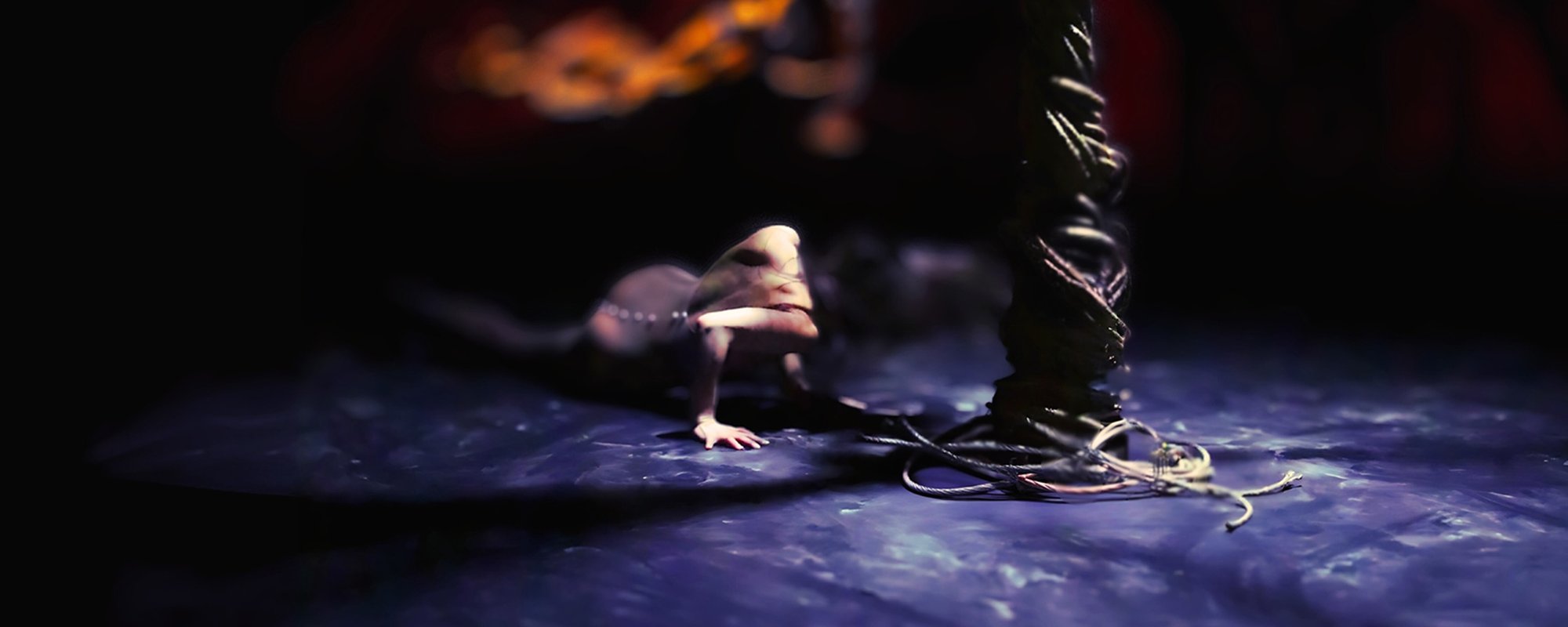
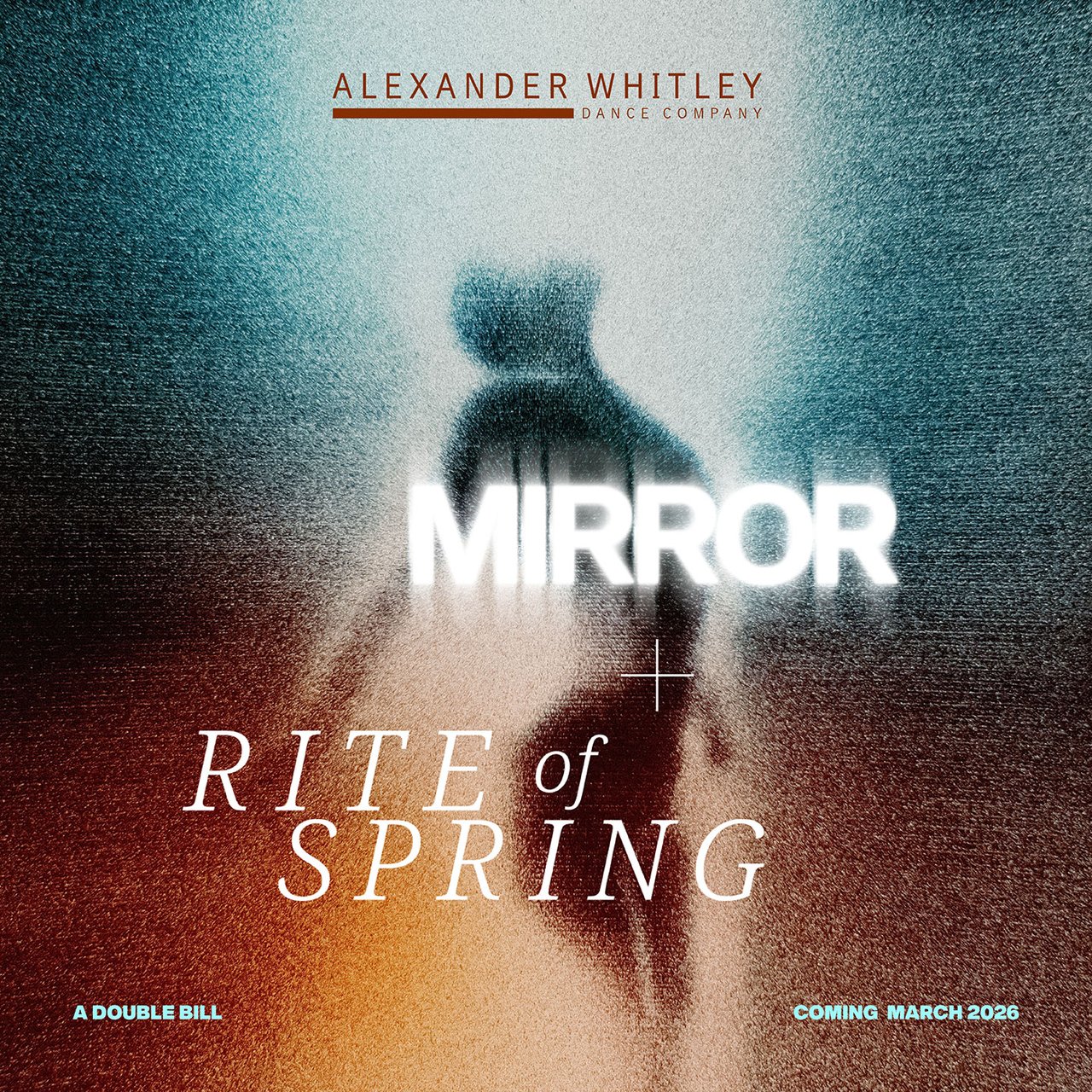
A version of The Rite will be performed as part of a double bill of new work by the choreographer Alexander Whitley at Sadler’s Wells East. His version frames Stravinsky’s music, which Whitley describes as “incredible and beastly and terrifying in equal measure”, in the context of new technologies and the digital realm — specifically, AI. Sadler’s Wells says the work will present “a world in which the human collective is subject to the omnipresent force of the algorithm”. It is paired with an entirely new work, Mirror, which draws in part on the theories of Shannon Vallor, a philosopher of technology, and writer of The AI Mirror: How to Reclaim Our Humanity in an Age of Machine Thinking (2024).
Whitley is a leading figure among a host of international dance artists confronting the question of retaining humanity in the age of AI. With its basis in embodied expression and — to use a term that appears repeatedly in the field — “physical thinking”, choreography is arguably singularly placed to explore it. Others at the vanguard of the dance/technology nexus are Whitley’s fellow British choreographer Wayne McGregor, whose research projects extended into his recent exhibition at Somerset House in London, and, in the US, the choreographers Rashaun Mitchell + Silas Riener, whose Open Machine, a new work probing the subject of the body and AI, is due to be unveiled at the Walker Art Center in Minneapolis in May 2026.
Since Whitley founded his eponymous London-based dance company, technology has been at the centre of his practice. The Measures Taken (2014), the company’s first work, was made in collaboration with the digital arts collective Marshmallow Laser Feast and explored how motion-tracking technology responded to, and is distinguished from, human movement and perception. The two new works also use motion tracking, albeit with technologies a world away from those early experiments.
The genesis was in rethinking The Rite. “It became increasingly apparent,” Whitley says, “that having some familiar element or a known quantity to balance the innovation and novelty that new technologies bring could be an interesting thing to explore.”
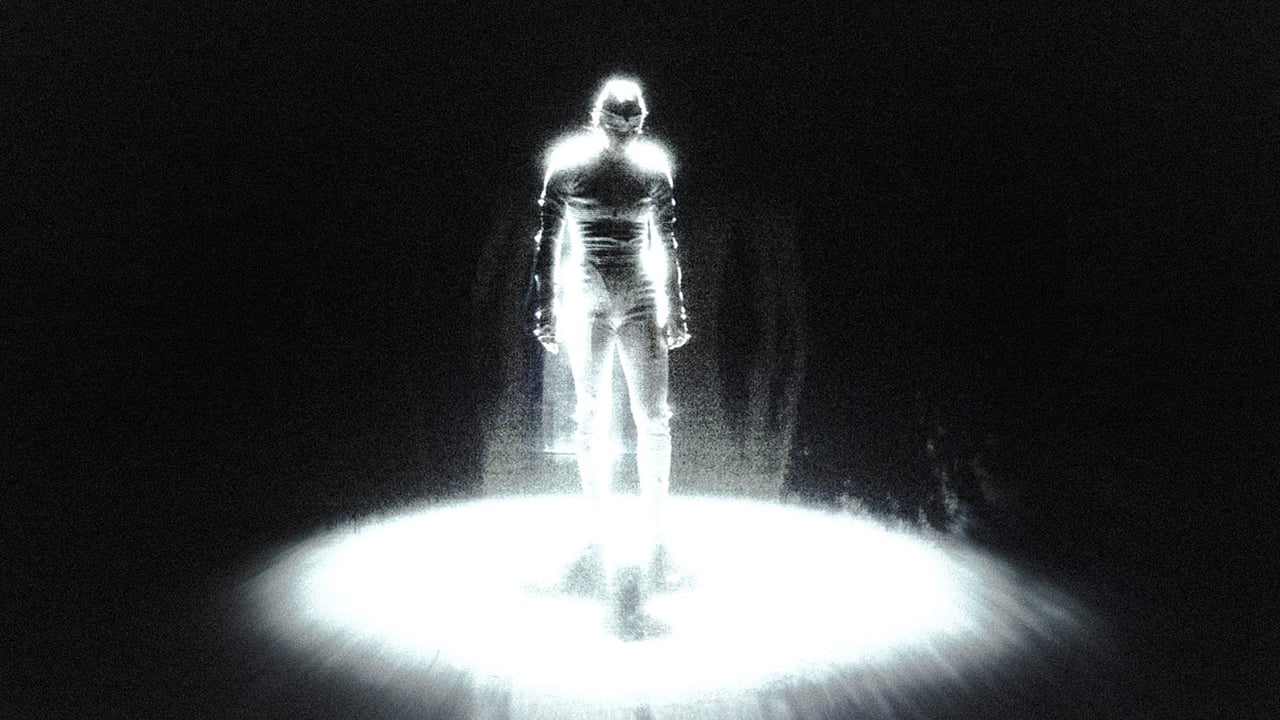
Whitley began by developing the piece for a virtual reality experience, but he realised that “I needed to do [it] as a stage production”. There will be nods to earlier iterations of the work, which has been choreographed since Nijinsky by Léonide Massine, Pina Bausch and many others. “For the discerning viewer, there will be recognisable elements and motifs within this version, but hopefully enough that’s novel and original and distinct in itself.”
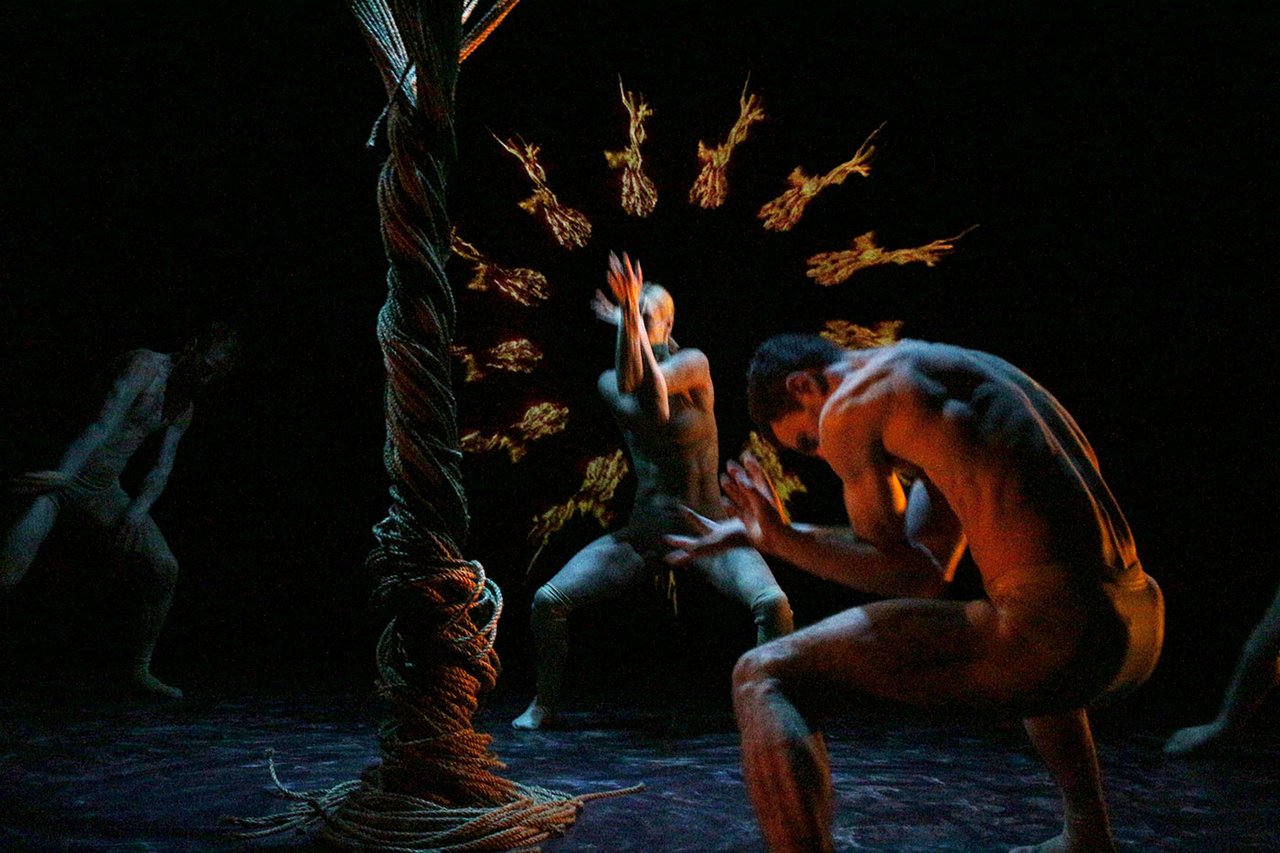
The Rite of Spring and Mirror have the same technical set-up, with the use of motion tracking and real-time generative AI, and a shared stage design featuring poles with motion-tracking cameras, allowing Whitley to “explore different possibilities or ideas within that same setup across the two works”. Mirror is a duet, Whitley says, exploring these themes and ideas from “within the context of a human-to-human relationship, an intimate human relationship”.
The Rite of Spring “opens that up to the community and a larger scale, in terms of the presence and impact of the digital elements” which respond to “the reframing of tech and AI as a replacement for, or something akin to, a godly element”.
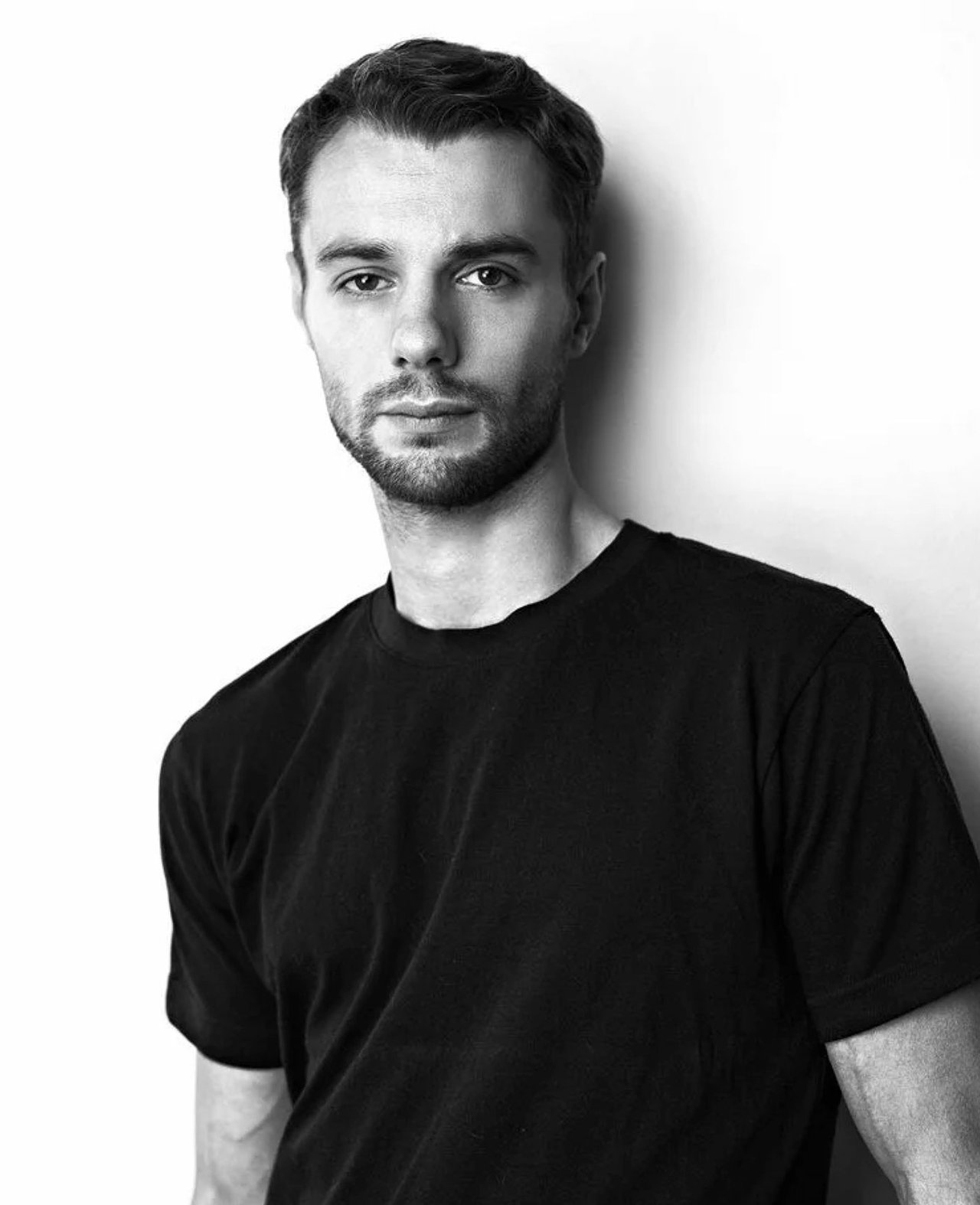
Given that he is employing AI as a tool, where does Whitley sit on the spectrum between evangelism and cynicism? His audiences, after all, will inevitably be in multiple positions along that line. He says he is in the “ambiguous murky grey territory in between” but this is where “the works find their interesting creative territory”.
“There’s such a strong tendency to fall into these binary opposites and a lot of popular media and conversation around them falls on either side.” But Vallor’s text, Whitley says, “was very helpful and informative in finding that more nuanced space in between”.
“Right from the beginning she makes the point that the conversation around AI supremacy and it destroying us all is a distraction from the more serious issue of how current AI is affecting us and impacting our understanding of ourselves.”
Part of the tension at the heart of Whitley’s works stems, as he says, from the fact that he is both “fascinated and terrified by” technology. I’m really interested in the creative opportunities that it introduces, but very aware of and interested in the broader societal impacts that it's having.”
He admits that it might appear to be a contradiction — including to audiences — that “technology is a big feature of what we're doing in the work, but there's also a critical angle [and] questions being raised about it.”
Those questions are not just central to the thematics, but in the uses of the technologies themselves. Hacking hardware, subverting or enhancing its out-of-the-box functions, has been crucial to his and other artists’ approach. In The Measures Taken, he and his collaborators hacked Kinects, Microsoft’s consumer motion-capture hardware, in order to fully map the space in which the piece was performed.
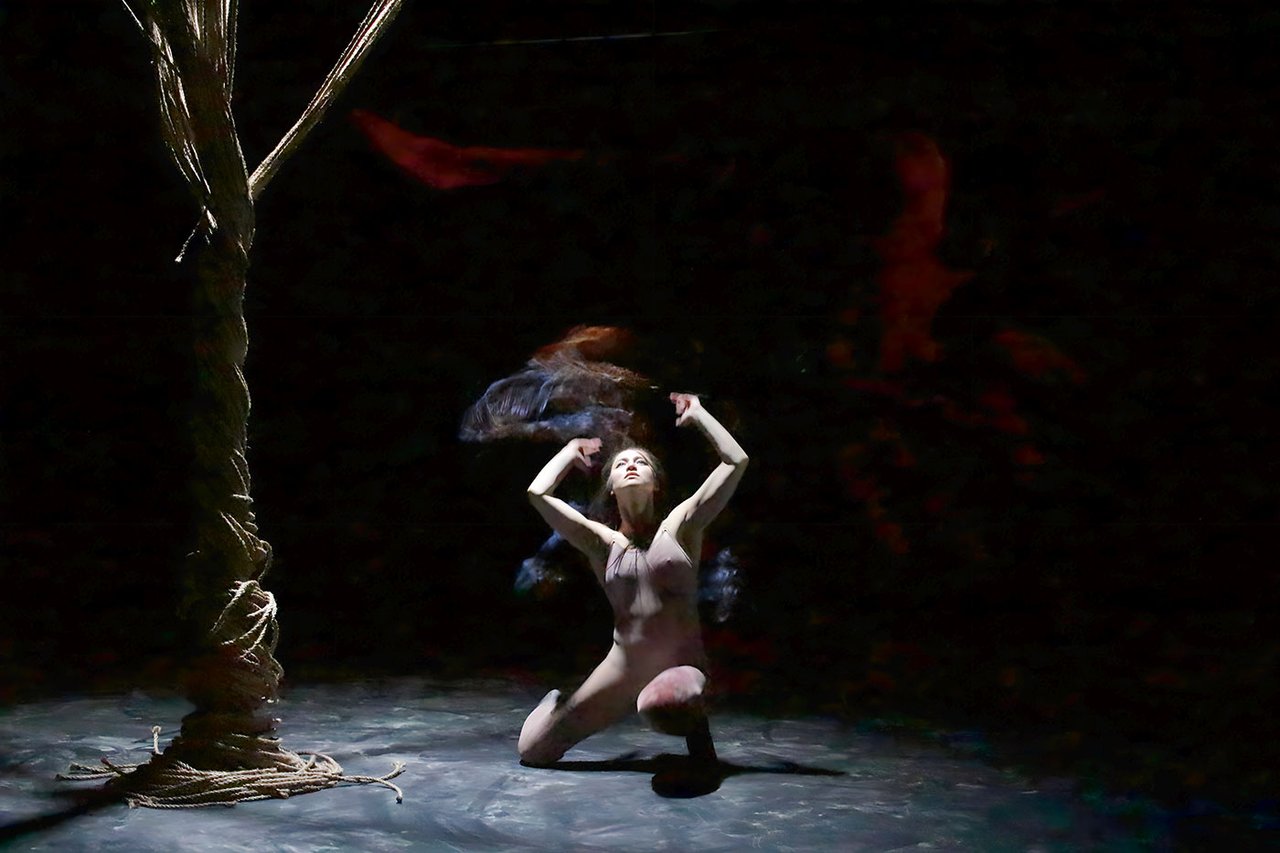
Whitley and his collaborators are “still having to think creatively” about the OptiTrack motion capture system used in The Rite of Spring and Mirror, particularly in relation to reflective markers that the cameras need to see built into a costume, and “finding ways of integrating them into the costuming and the performance”. These are not just practical challenges, he adds: having to solve them opens up “the creative territory” of the pieces.
The very nature of making the pieces, in uniting human bodies in movement with technologies, acts as a metaphor of our increasingly hybridised existence. The works explore in different ways what happens when the intelligence of choreographic movement meets that of the machine.
“It creates a tension which isn't always easy to work with and reconcile,” Whitley says. Elements “need to be slightly wrestled into shape in order to comfortably co-exist together”, he says.
“But I think that challenge, that struggle, often leads me and the collaborators I work with to really interesting places. Because it's not just a straightforward, predetermined, known route. There's a roundabout we embark upon and it's always really interesting to see where we end up.”
No comments yet. Be the first to share your thoughts.
Mentioned in this article
People: Alexander Whitley, Shannon Vallor|Works: The Rite of Spring, Mirror, Rite of Spring, The Measures Taken|Organizations: Sadler's Wells East|